First Flight: The Happymodel Mobula6 Experience
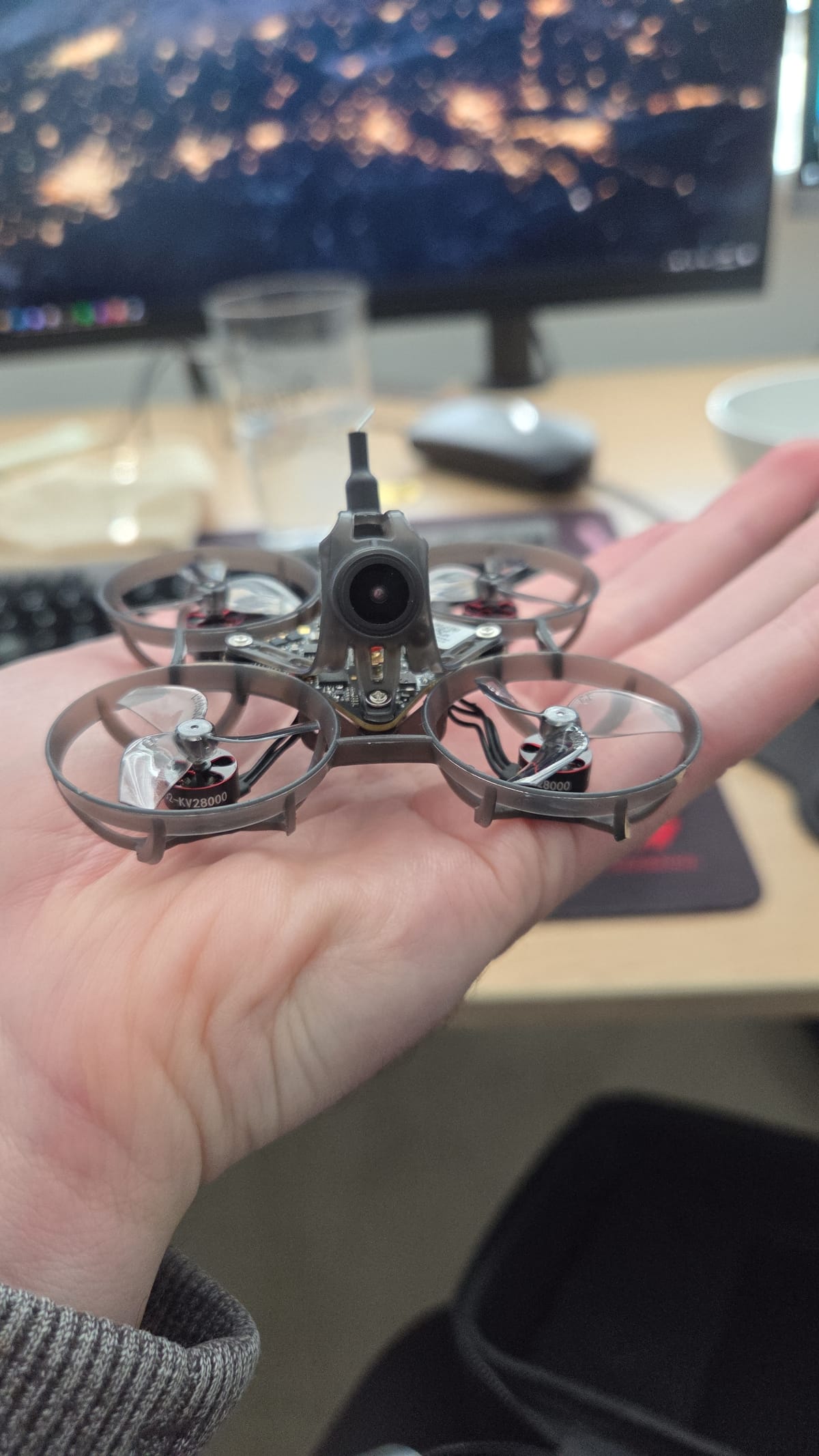
I'm happy to report that we have liftoff. The Happymodel Mobula6 has been in the air, video feed was coming through the goggles, and it was everything I'd hoped it would be.
Getting there, though? That was a journey.
Nothing Is Plug and Play
I went into this expecting something close to "charge battery, bind controller, fly." I was naive. The amount of configuration required before I could even think about taking off was genuinely surprising.
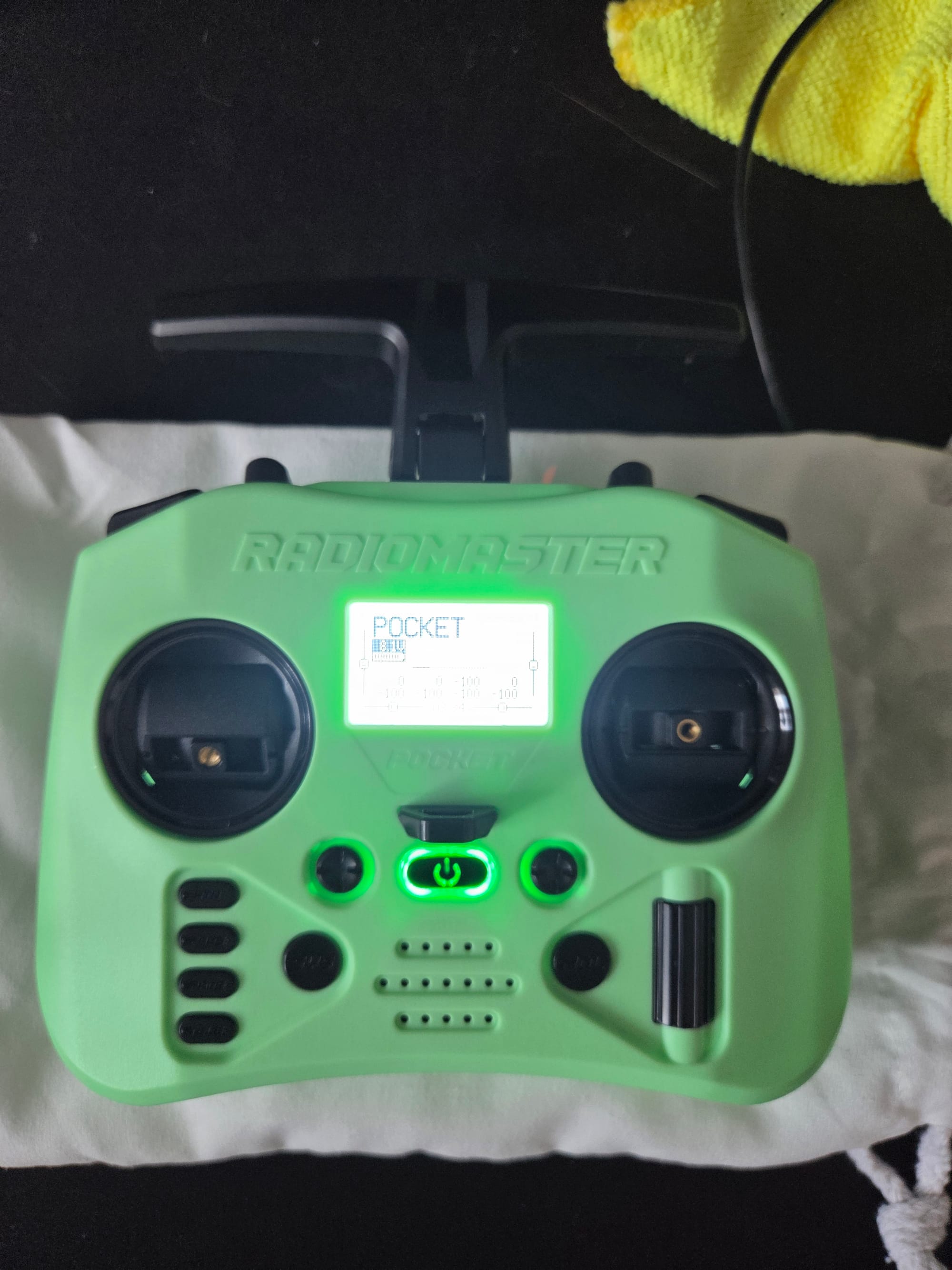
First up was the controller. The RadioMaster Pocket is a brilliant bit of kit but it doesn't just work out of the box with a new drone. There's model setup in EdgeTX, ELRS binding, channel mapping, arming switches, flight mode configuration. Each of those sounds like a five-minute job until you're an hour deep into forums trying to figure out why your aux channels aren't doing what you expect.
Then came the firmware situation. I lost count of how many times I flashed firmware across the various components. Betaflight on the flight controller needed updating. The ELRS receiver needed flashing to match the radio's version. The process isn't difficult once you know what you're doing but when you're learning it all at once, every step feels like it could brick something.
The Battery Situation
I ordered the wrong battery size. Classic beginner mistake. The connector matched but the physical dimensions were off, which meant the battery sat awkwardly and threw the balance out. Not dangerous, just annoying, and it meant another order and another few days of waiting before I could fly properly.
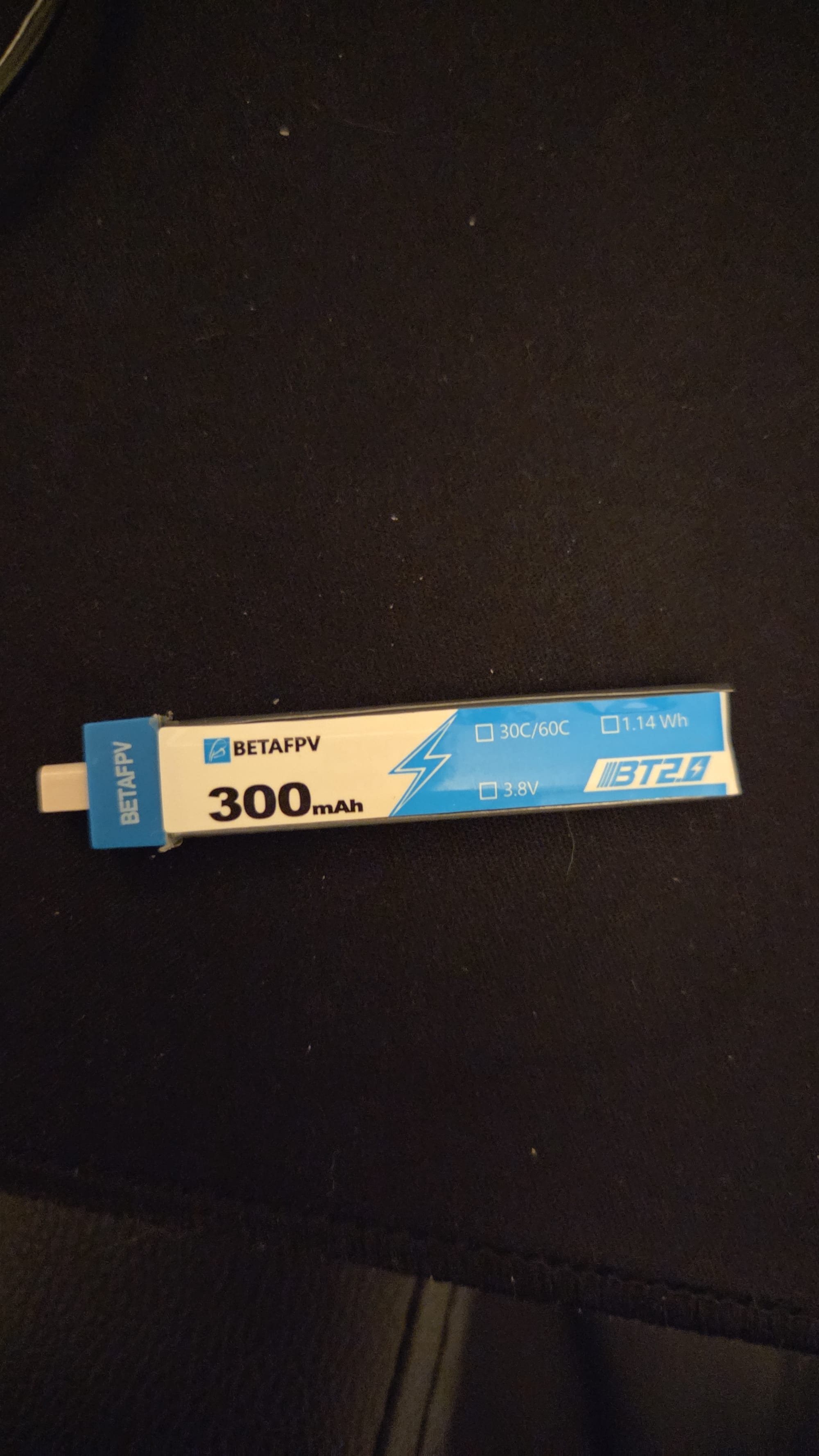
This is one of those things that the FPV community treats as obvious knowledge but is genuinely confusing for newcomers. There are at least four different connector standards on 1S batteries alone, and even within the same connector type the cell dimensions vary. A little more standardisation in this space would go a long way.
But Then We Flew
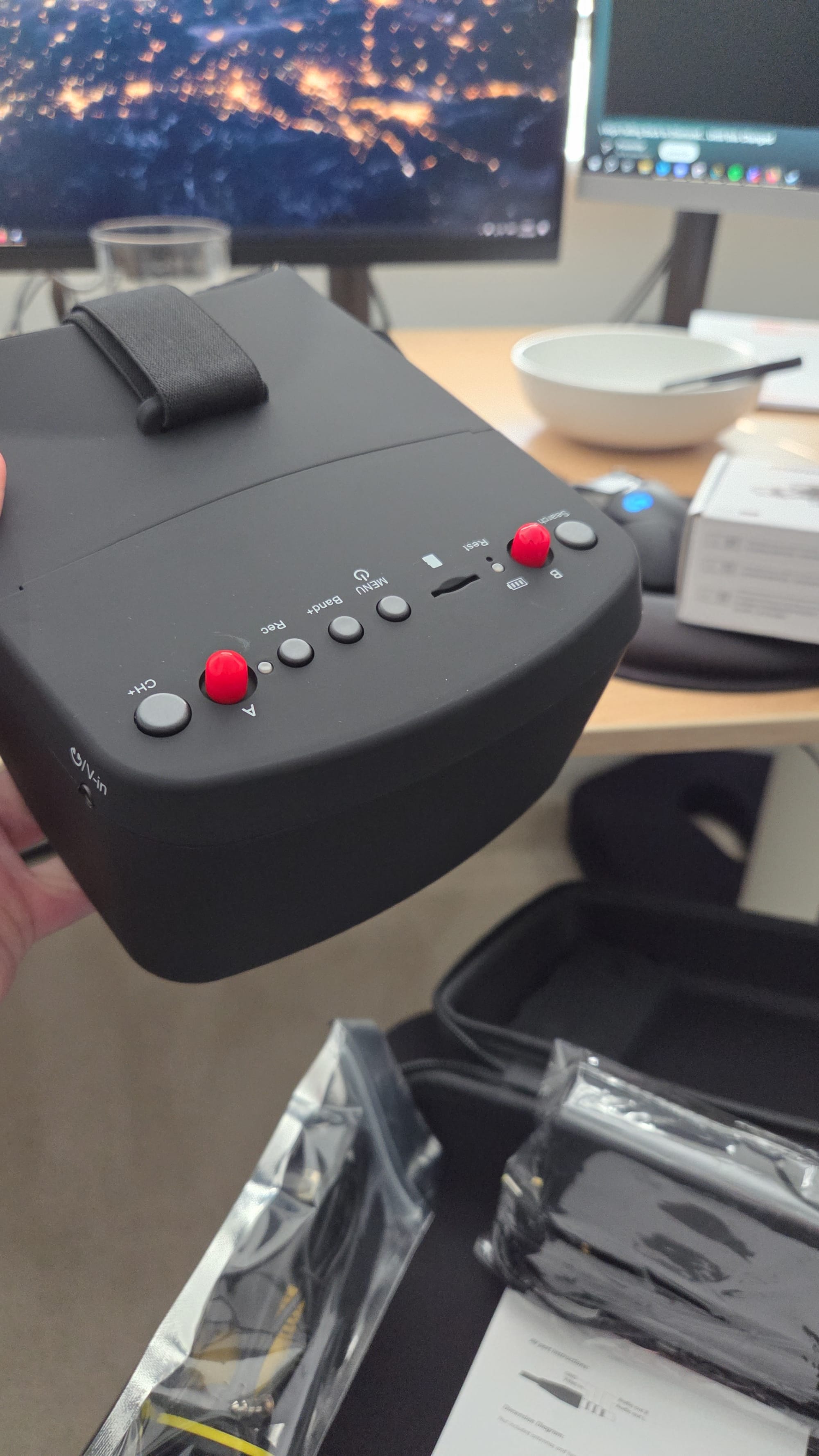
After all the flashing and configuring and re-ordering, I armed the drone, pushed the throttle up and it lifted off my desk. The video feed came through the goggles crystal clear. I could see my office from the perspective of something the size of my palm, hovering three feet off the ground.
It was fantastic.
I'm not going to pretend I was pulling off freestyle tricks. I bumped into walls. I confused the controls more than once. The cats were deeply unimpressed. But the feeling of FPV flight, even indoors at low speed on a tiny whoop, is unlike anything else I've experienced in tech or gaming. It's the closest thing to actually being in a video game.
What I Learned
The main takeaway is that FPV has a steep setup curve but a very rewarding payoff. I spent hours getting everything configured and still got some things wrong. If you're thinking about getting into this, budget time for the setup, not just the flying. Read the docs before you start flashing things. And buy a few spare batteries in the right size.
The Mobula6 itself is a cracking little drone. At 17.6g it's light enough that crashing into furniture causes no damage to anything (including the drone), the prop guards do their job, and the flight characteristics are forgiving enough for a beginner while still being responsive enough to feel exciting.
Next steps are getting more confident with the controls, filming some footage through the goggles' DVR, and starting to think about what an outdoor setup might look like. The RadioMaster Pocket and EV800D goggles will pair with any ELRS drone I buy in the future, so the investment in the ecosystem is already paying off.
More to come. The rabbit hole, as predicted, has no bottom.